
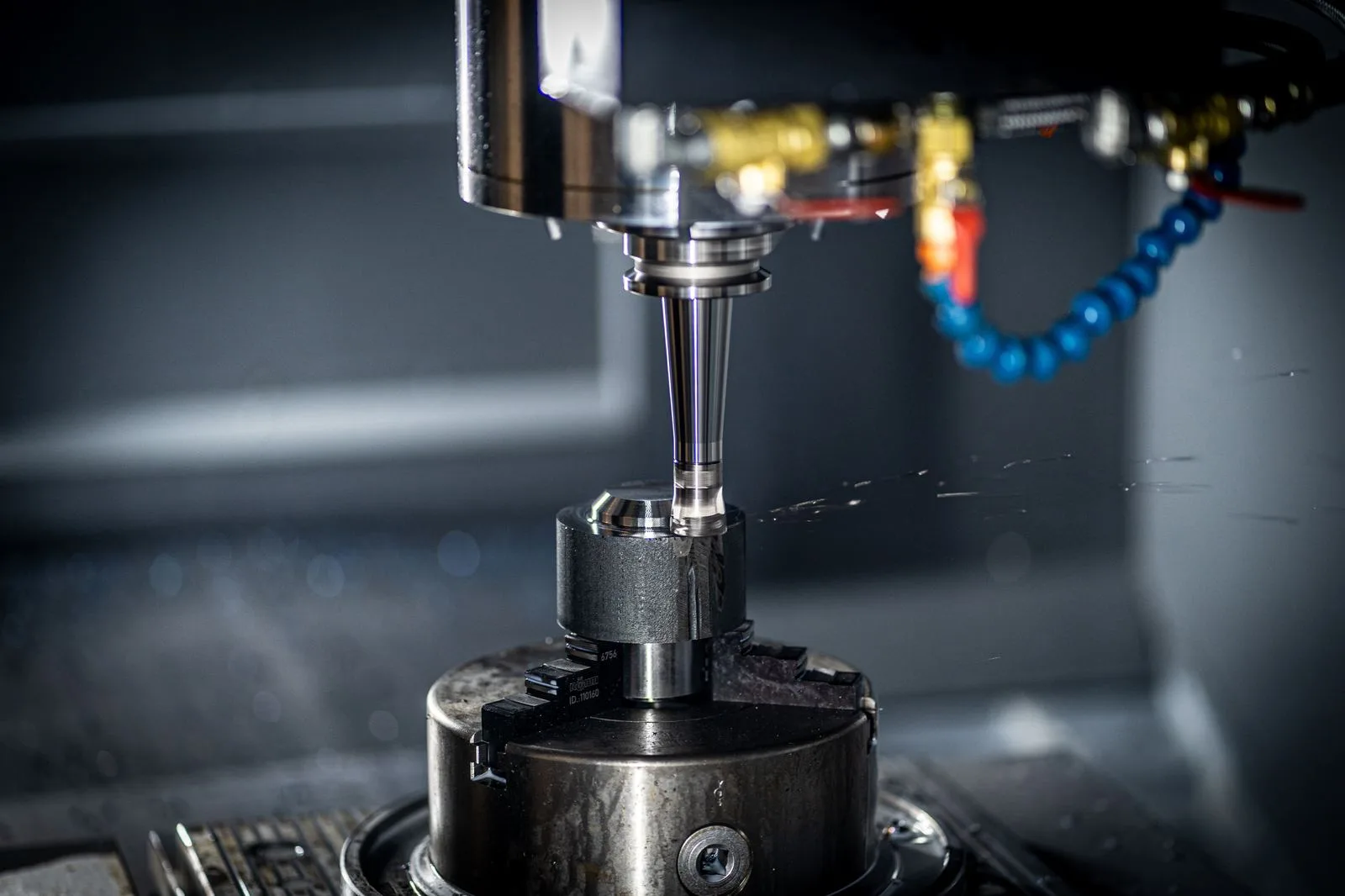
For industrial buyers and design teams, CNC turning tolerances are not just drawing notes—they directly affect how a part fits, how long it takes to machine, and how much it costs to produce. At KK Industries in Nashik, we regularly support customers who need precision CNC turning components with clear dimensional control and repeatable batch quality.
What CNC turning tolerances really control
Tolerances define how much variation is allowed on diameters, lengths, shoulders, concentricity, and other critical features. When a shaft must fit a bearing, a sealing surface must remain consistent, or mating parts must assemble without force, those dimensions need tighter control. Non-critical features can often use wider limits, which reduces machining time without reducing part performance.
Why tighter tolerances increase machining cost
Very tight CNC turning tolerances usually require more careful setups, slower cutting conditions, more frequent tool checks, and additional inspection. That means higher cycle time and higher cost per part. Buyers often reduce cost by applying tight tolerances only where function demands them, instead of marking every dimension with unnecessarily narrow limits.
Repeatability is as important as first-piece accuracy
A single correct sample is not enough for industrial supply. Production CNC turning must hold the same dimensions across the full batch. Stable tooling, process planning, material consistency, and in-process checks help maintain repeatability from the first piece to final dispatch—especially for recurring orders and high-volume manufacturing.
How inspection supports reliable CNC turning delivery
Dimensional inspection confirms whether the machining process is staying within tolerance during production. Measuring critical features early helps catch drift, reduce rework, and protect delivery schedules. For procurement teams, this is one of the strongest signals that a CNC machining supplier can deliver consistent quality, not just competitive pricing.
What to share with your CNC machining supplier
To get an accurate quotation and realistic lead time, share complete drawings, material grade, quantity, critical tolerances, surface finish needs, and any assembly or functional notes. Clear information helps KK Industries plan the right CNC turning approach, avoid clarification delays, and deliver precision components with dependable timelines.
Looking for CNC machining, VMC manufacturing, or stainless steel fabrication support? Contact KK Industries with your drawings and requirements.